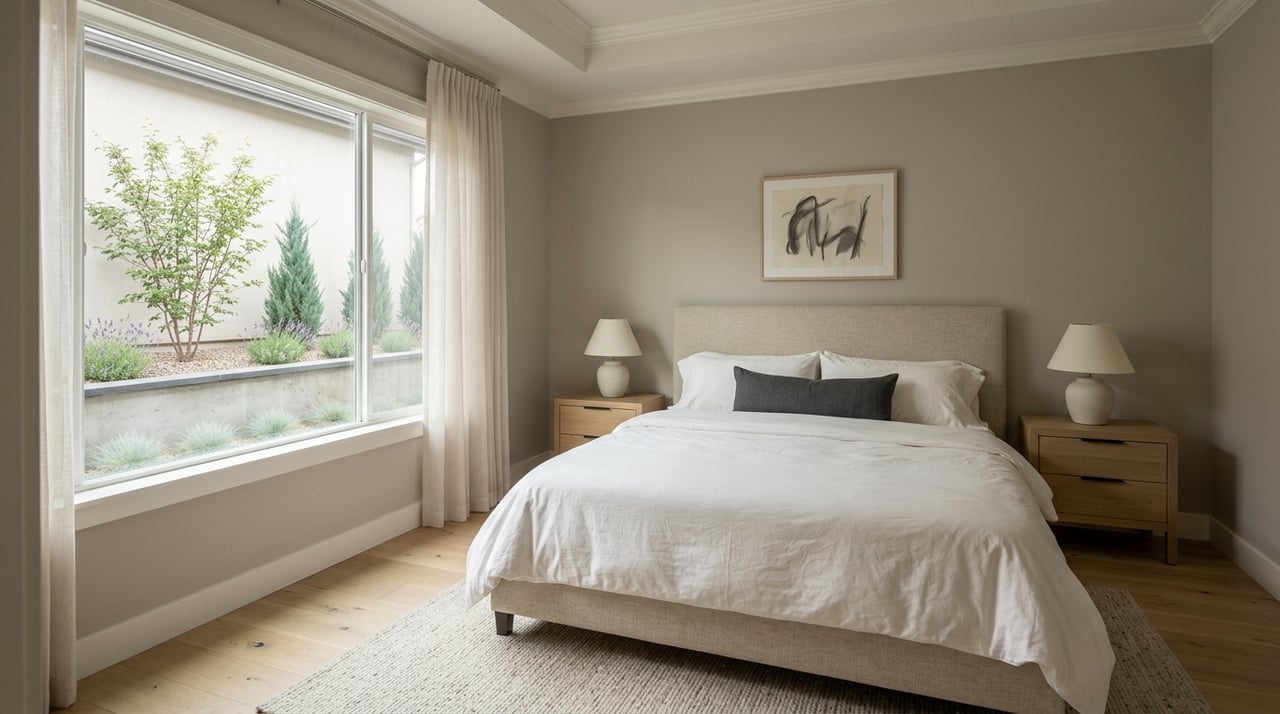
Is Star, Idaho A Smart Place To Buy A Second Home Or Rental?
May 28, 2026
May 28, 2026
Wondering whether Star, Idaho is the right place to buy a second home or rental property? It is a fair question, especially when you are trying to balance lifestyle goals with real numbers. If you are considering Star from nearby or from out of state, this guide will help you understand where the opportunity looks strongest, where the limits are, and what to verify before you buy. Let’s dive in.
Star has grown quickly in just a few years. The city’s population estimate reached 20,874 in July 2025, up from 11,117 in the 2020 Census. That kind of growth helps explain why many buyers are taking a closer look at the area.
Star also appears to be a higher-priced submarket within Idaho. Census data shows a median owner-occupied home value of $564,300 in Star, compared with $376,000 statewide. Public market trackers vary, but recent reporting placed Star roughly in the high-$500,000s to mid-$600,000s.
Recent listings also show a range of housing options. Available homes have included townhomes in the low-$400,000s, detached single-family homes, and larger-lot properties above $1 million. That points to a market with suburban variety, but not one centered on dense multifamily housing.
For most buyers, Star looks stronger as a lifestyle second-home market or a long-term hold rental than as a pure cash-flow play. The city is growing, owner occupancy is high, and the rental pool is still fairly limited. Those factors can support long-term interest, but they do not automatically create strong short-term returns.
Census data shows that about 80.7% of occupied housing units in Star are owner-occupied. That matters because it suggests a market where ownership remains the dominant pattern. If you want a property in an area that feels more geared toward full-time residents than investor churn, Star may appeal to you.
For a second-home buyer, that setup can be attractive. If your goal is part personal use, part future flexibility, Star may fit better than a market built mainly around tourism-driven turnover. If your goal is strictly to maximize immediate rental yield, you may need to run the numbers very carefully.
The biggest reason to stay realistic is the math. Realtor.com reported a median rent of $2,400 and a median listing price of $674,995. Using those figures, the rough gross rent-to-price screen comes out to about 4.3% before taxes, insurance, maintenance, vacancy, and management.
That is a useful first pass, but it is not the full picture. Gross numbers can look workable at a glance, yet carrying costs can narrow the margin quickly. If you are buying for income, you will want to test the property against your full monthly ownership costs, not just the asking price and hoped-for rent.
Star’s rental inventory also appears relatively thin. Realtor.com reported 35 homes for rent compared with 523 homes for sale, with rental count down 51.85% year over year while median rent rose 2.35% year over year to $2,400. Limited supply can help support rents, but it does not erase the challenge of buying at today’s price levels.
If you are choosing between a long-term rental and a short-term vacation-style approach, Star appears more naturally aligned with long-term occupancy. The city’s commuter profile, housing mix, and owner-occupied character support that view. It reads more like a growing suburban community than a classic vacation-rental market.
That distinction matters because it shapes your strategy from day one. A property that performs reasonably well as a stable long-term rental may not be ideal for a short-term model with higher turnover, more active management, and tighter local rule checks. In Star, the safer assumption is to underwrite for long-term use unless your due diligence clearly supports something else.
This is especially important for buyers purchasing from afar. If you are not local, a straightforward long-term plan is often easier to evaluate and manage than a more complex hybrid or short-term setup. Clear expectations usually lead to better decisions.
Before you buy any income-producing property in Star, check local rules closely. Star’s Unified Development Code allows one secondary dwelling unit on the same property, but the owner must live on-site for more than six months in any 12-month period. The code also requires at least a 10,000-square-foot lot and one additional parking space.
That means an ADU strategy may work better for an owner-occupant than for an absentee investor. If you were hoping to buy a property, add a second unit, and rent both without living there, this rule set may not support that plan. The details of the lot and parking also matter more than many buyers expect.
Short-term rental standards deserve the same level of attention. Star requires one additional paved off-street parking space and prohibits on-street parking for short-term rentals. If you are considering Airbnb-style use, you should verify parcel-specific zoning and code compliance before you rely on projected income.
There is another reason to double-check everything. Star’s May 2026 Municipal Code Update page shows active rental-related code work, including a draft Single Family Rental Communities Ordinance and Unified Development Code revisions. In other words, this is not a market where you should assume the rules are static.
If you are comparing a primary residence with a second home or investment property, property tax treatment is part of the conversation. Idaho’s homeowner’s exemption applies only to a home that you own and occupy as your primary residence. The state’s Property Tax Reduction program also applies to a primary Idaho residence.
For most second homes and investment properties, those primary-residence tax breaks generally do not apply. That can affect your true cost of ownership more than you might expect. It is one more reason to evaluate the property based on your actual use case, not on assumptions that apply only to owner-occupied primary homes.
There are several reasons Star can still make sense for the right buyer. The first is growth. With an 84.6% population increase from 2020 to 2025, Star is clearly part of a fast-changing area that has drawn significant attention.
The second is community build-out. The city has reported ongoing planning around police, parks, pathways or trails, and broader visioning efforts. That supports the idea of Star as a growing suburban community still developing its long-term infrastructure and identity.
The third is flexibility in housing type. You can find lower-maintenance attached options, detached homes, and larger-lot properties. If you are looking for a second home you may use now and hold long term, that variety can give you more ways to match the property to your budget and goals.
Star may be a weaker fit if your top priority is strong immediate cash flow. Based on reported rent and price levels, the starting yield looks modest before expenses. That does not mean every property will underperform, but it does mean there is less room for error.
It may also be a tougher fit if your strategy depends on broad rental inventory or easy apples-to-apples comparisons. With a smaller rental pool, it can be harder to benchmark performance with confidence. Buyers who prefer highly liquid investor-heavy markets may find Star less predictable.
You should also pause if your plan depends on a specific use, like an ADU or short-term rental, and you have not confirmed the rules for that parcel. In Star, local code can directly affect whether your strategy works at all. Verification is not optional.
Before you move forward, make sure you can answer a few practical questions:
These questions can help you stay grounded when emotions start to rise. They also help you compare Star with other Treasure Valley options in a more disciplined way.
So, is Star, Idaho a smart place to buy a second home or rental? For many buyers, yes, but with the right expectations. Star looks most compelling as a growth-oriented Treasure Valley property with personal-use upside and long-term hold potential, rather than as a pure high-yield investment.
If you want a second home in a fast-growing suburban market, or you are open to a long-term rental strategy in an owner-occupied community, Star may deserve a serious look. If you need strong cash flow right away, you will want to be extra selective and very numbers-driven.
The key is buying with a clear plan. When you understand the rent picture, local code, and tax treatment before making an offer, you are much more likely to choose a property that truly fits your goals. If you want help evaluating Star alongside other Treasure Valley options, Kel & Company can help you think through the tradeoffs with local insight and steady guidance.
Experience a real estate partnership built on trust, expertise, and genuine care. We bring a lifelong understanding of what “home” truly means to every client and every decision.