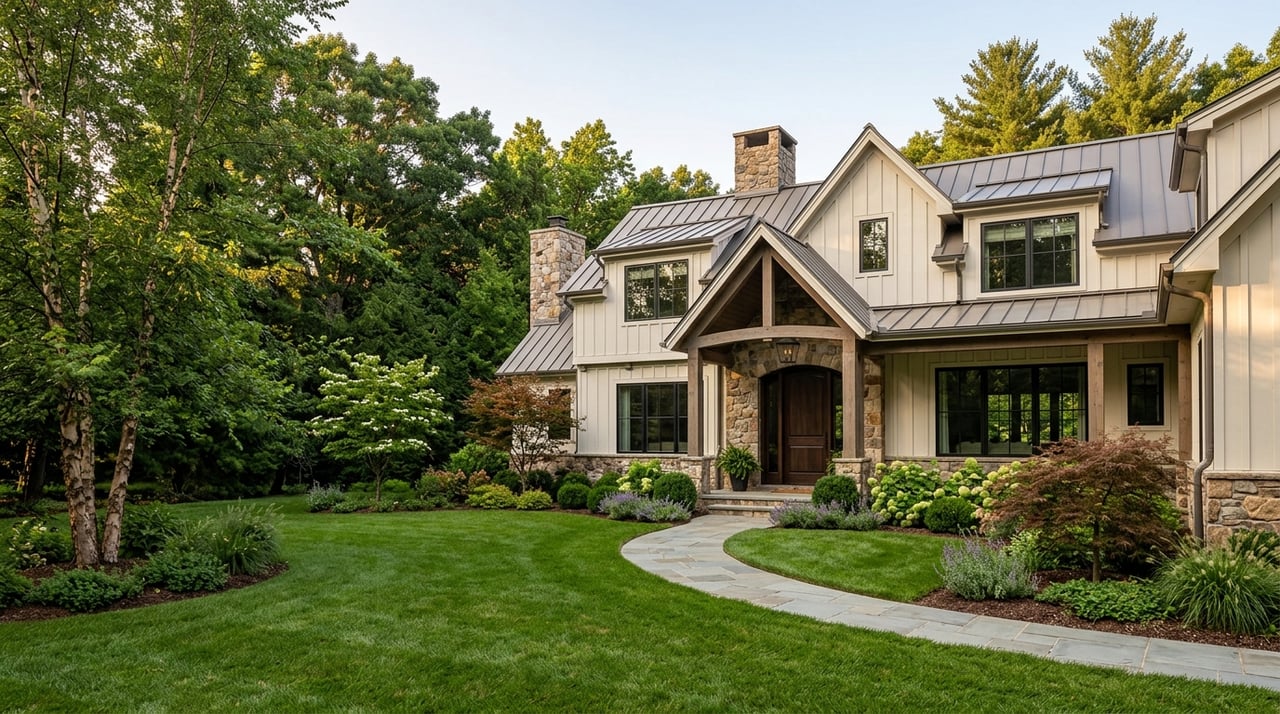
Your Guide to Eagle Idaho Neighborhoods and Lifestyles
June 4, 2026
June 4, 2026
Wondering how Eagle neighborhoods actually differ from one another? If you are planning a move, it can be hard to tell where the historic heart of town ends, where newer master-planned areas begin, and which parts of Eagle offer more space, views, or recreation. This guide will help you understand how Eagle is laid out, what defines key areas like Downtown and the Foothills, and how to think about your options with more confidence. Let’s dive in.
Eagle is not just one uniform suburb. The city’s planning framework divides Eagle into distinct planning areas, including Downtown, Village, Eagle Island, Rim View, River Plain, Rural, and others.
That matters because each area tends to have a different feel, land-use pattern, and lifestyle focus. Some parts of Eagle are centered on walkability and local events, while others lean toward open space, recreation, larger lots, or newer planned development.
Downtown Eagle is described in the city’s comprehensive plan as the heart of the community and its cultural center. It is known for pedestrian-friendly streetscapes, active business uses, and connections to Heritage Park, the parks system, the sports complex, the foothills, and the Boise River.
If you want a part of Eagle with a more connected, central feel, Downtown stands out. The downtown mobility project also notes that on-street and off-street parking in the district is free and unrestricted, which can make everyday visits simpler.
Downtown Eagle’s identity is tied to both history and everyday activity. The Eagle Museum of History and Preservation highlights the city’s growth since the late 1880s and offers a downtown walking tour featuring places like the Eagle Bank, Hotel, and Orville Jackson’s Drug Store.
Heritage Park also plays a big role in how downtown feels. It is used for walking tours and market events, and the Eagle Saturday Market takes place there from May through September.
Downtown can appeal to buyers who want easier access to local businesses, public gathering spaces, and community events. It may also be a strong fit if you like a neighborhood with a more established identity rather than a purely newer suburban layout.
For sellers, downtown proximity and connection to Eagle’s historic core can be an important part of how a home is positioned. Buyers often respond to context, and in this part of Eagle, that context includes walkability, civic spaces, and local history.
Another major piece of Eagle’s housing map is the amenity-focused neighborhood. These communities are often designed around recreation, planned open space, and internal features that shape daily life.
A clear example is Legacy, a 590-acre planned community along Floating Feather Road between Linder Road and Highway 16. Legacy includes water amenities, walking paths, community pools, tennis courts, a 26-acre golf course, a three-hole executive practice golf course, and a swimming facility.
In Eagle, neighborhoods like Legacy reflect a broader pattern. Many newer developments emphasize trails, greenways, and recreation access, which aligns with the city’s pathway and trail rules for new developments unless otherwise approved.
This means that in some neighborhoods, the community design itself is a major selling point. Instead of focusing only on the home, buyers are also weighing features like pools, courts, paths, lakes, and shared open areas.
Golf is part of Eagle’s wider amenity story as well. Eagle Hills Golf Course describes itself as Eagle’s original golf course and a public championship 18-hole course, and BanBury Golf Course is another public golf option in the city.
Even if you are not searching inside a golf-centered community, the presence of these facilities can help define how certain areas of Eagle feel. For some buyers, that adds to the appeal of a neighborhood centered on recreation and outdoor time.
The foothills are one of Eagle’s most defining landscape features. The city’s comprehensive plan says the Eagle Foothills contrast with the Boise River corridor, are considered an area of special concern, and are closely linked to downtown.
If you picture Eagle as a place of open views, trails, and newer master-planned neighborhoods, you are often thinking about the foothills and nearby outer planning areas. This part of the market can feel very different from the historic center.
Foothills and view-oriented neighborhoods often focus on scenery, open space, and newer community design. They tend to offer a different experience from Downtown Eagle, with more emphasis on planned amenities, broader streetscapes, and visual access to the surrounding landscape.
The city also uses a planned-developments process for large foothills projects to align with the Foothills Subarea of the Eagle is HOME plan. That helps explain why these communities often have a more intentional, master-planned feel.
Valnova and Terra View are two examples that illustrate this category well.
Valnova is described as a 6,000-acre master-planned community in the Eagle foothills with hiking, biking, a greenway, pickleball, a 2.5-acre lake, and indoor and outdoor pool amenities. Terra View is a 287.6-acre master-planned community at Beacon Light Road and Highway 16 with 21 lakes, a clubhouse, a community pool, a park with a splash pad, picnic pavilions, and mountain views.
These communities show a consistent Eagle trend outside the historic core: views, open space, trail access, and amenity-rich planning. If that is high on your wish list, foothills areas may deserve a closer look.
Some parts of Eagle feel less like a typical subdivision and more like a transition between city living and a more open edge. That is where planning areas like River Plain and Rim View help explain the map.
According to the city’s plan, River Plain is intended as a large-lot residential area with Boise River views. Rim View contains existing one- to five-acre residential lots and serves as a transition area as nearby corridor development changes.
These areas can appeal to buyers who value more separation between homes, broader views, or a setting that feels less built out. They are not the same as downtown, and they are not exactly the same as newer amenity-heavy master plans either.
Instead, they often represent a middle ground in Eagle’s overall pattern. You may see more space, more transitional land use, and a stronger connection to the river corridor or rural edge.
A few other planning areas are useful to know because they help explain why Eagle has so much variety. The Village Planning Area is intended to support an employment center at Beacon Light Road and include neighborhood residential south of Beacon Light to Floating Feather Road.
The Eagle Island Planning Area is reserved for open space, recreation, and limited residential use. The Rural Planning Area preserves large-lot, rural, and agricultural uses north of Beacon Light and east of Linder, while Brookside serves as a transition zone between the foothills and rural areas.
For buyers, these planning areas can help you narrow your search based on lifestyle. If you want a central, active setting, you may look differently than someone searching for larger lots, open land, or easy access to recreation.
For sellers, understanding your planning area can help shape pricing, marketing, and buyer messaging. A home near the historic core should not be described the same way as one in a foothills master plan or a larger-lot edge area.
One theme shows up again and again across Eagle neighborhoods: outdoor access. The city’s setting near the foothills and Boise River influences everything from downtown connections to newer planned communities.
Eagle Island State Park adds another layer to that appeal. The 545-acre park, about 3 miles west of Eagle, includes more than five miles of trails, a swimming beach, disc golf, paddling, and horseback-riding or hiking access.
Pamela Baker Park is also notable because it is the southernmost Greenbelt access point in the city. For many buyers, these nearby outdoor options are part of what makes Eagle feel distinct within the Treasure Valley.
The best Eagle neighborhood for you depends on what you want your daily life to look like. A buyer who wants local events and a central setting may focus on Downtown, while someone drawn to planned amenities may compare communities like Legacy, Valnova, or Terra View.
If views, larger lots, or a more transitional edge setting matter most, areas like River Plain or Rim View may be worth exploring. The key is to match the neighborhood pattern to your priorities, not just the home itself.
Before you narrow your search, it can help to ask:
Because Eagle is shaped by distinct planning areas, two neighborhoods can feel very different even when they are only a short drive apart. That is why local guidance matters, especially if you are relocating, moving up, downsizing, or trying to balance lifestyle goals with the right home purchase.
At Kel & Company, we help buyers and sellers understand not just what is available, but how each part of Eagle fits their goals. If you are thinking about a move in Eagle or anywhere in the Treasure Valley, Kel & Company can help you compare neighborhoods, understand your options, and move forward with clarity.
Experience a real estate partnership built on trust, expertise, and genuine care. We bring a lifelong understanding of what “home” truly means to every client and every decision.